

For years, passwords have been the cornerstone of online security. However, in today’s world of increasingly complex cyber threats, relying on a single password is no longer sufficient. Multi-Factor Authentication (MFA) is emerging as a critical defense mechanism, offering an extra layer of protection to ensure that even if a password is compromised, a hacker still cannot easily gain access.
What Is Multi-Factor Authentication?
Multi-Factor Authentication (MFA) is a security measure that requires users to provide two or more verification factors to access an account. Instead of relying solely on a password (something you know), MFA incorporates additional elements to verify your identity, such as:
- Something You Have: This could be a mobile device, security token, or smart card. For example, after entering your password, you may be asked to confirm your identity by approving a push notification on your phone or entering a code sent via SMS.
- Something You Are: This includes biometric verification, such as fingerprint scanning, facial recognition, or voice recognition. Devices like smartphones and laptops increasingly use biometrics for secure access.
- Something You Know: While passwords fall into this category, some MFA systems also include security questions or unique PINs that only you would know.
By combining multiple forms of verification, MFA makes it significantly more difficult for attackers to gain access to accounts, even if they manage to steal your password.
Why Passwords Alone Are Not Enough.
Passwords are vulnerable to a variety of attacks, including:
- Brute Force Attacks: Hackers use automated tools to try different combinations of letters, numbers, and symbols until they crack a password. The longer or more complex the password, the better, but brute force attacks can still succeed if passwords are not strong enough.
- Credential Stuffing: Attackers use leaked password databases from previous breaches to try combinations of usernames and passwords on other sites. Since many people reuse passwords across multiple accounts, this is a highly effective method for hackers.
- Phishing: As we discussed earlier, phishing attacks trick users into revealing their passwords. Once the hacker has the password, they can easily log into the victim’s account unless MFA is enabled.
- Weak Password Practices: Many users still use easily guessable passwords like “123456” or “password,” or they may reuse passwords across different services. This makes it easier for attackers to gain access to multiple accounts with minimal effort.
New Methods of Multi-Factor Authentication
As cyber threats evolve, so do methods of authentication. Here are some innovative MFA techniques that go beyond the traditional username-password model:
- Biometric Authentication
- Biometric authentication uses unique physical characteristics such as fingerprints, facial recognition, or iris scans to verify identity. Since biometrics are difficult to replicate, they provide a strong layer of security. Many smartphones and laptops now come equipped with built-in biometric scanners for this purpose.
- Push Notifications
- Instead of requiring users to enter a code from an app or SMS, some MFA systems send a push notification to your device for approval. You simply tap “approve” or “deny” on your smartphone, making the process faster and more secure. If someone tries to log into your account, and you get a notification without attempting to log in, you can instantly deny access.
- Hardware Tokens
- Hardware tokens are physical devices, like USB keys, that generate one-time authentication codes. For example, tools like YubiKey provide a secure way to authenticate by plugging the device into your computer or tapping it on your phone.
- Risk-Based Authentication
- This type of MFA adapts the level of security required based on the perceived risk of the login attempt. For example, if you’re logging in from a trusted device or location, you may only need your password. However, if you’re logging in from an unknown device or location, you may be required to provide additional authentication factors like a fingerprint or code.
Benefits of Multi-Factor Authentication
- Stronger Security: MFA significantly reduces the risk of unauthorized access. Even if a hacker steals your password, they won’t be able to log in without the additional factor of authentication.
- Protection Against Phishing: Even if users fall for a phishing scam and reveal their passwords, MFA ensures that hackers still need the second factor, such as a code or biometric verification, to gain access.
- Reduced Impact of Data Breaches: In the event that a password database is leaked, MFA prevents attackers from easily using that information to access accounts, providing an additional line of defense.
Conclusion
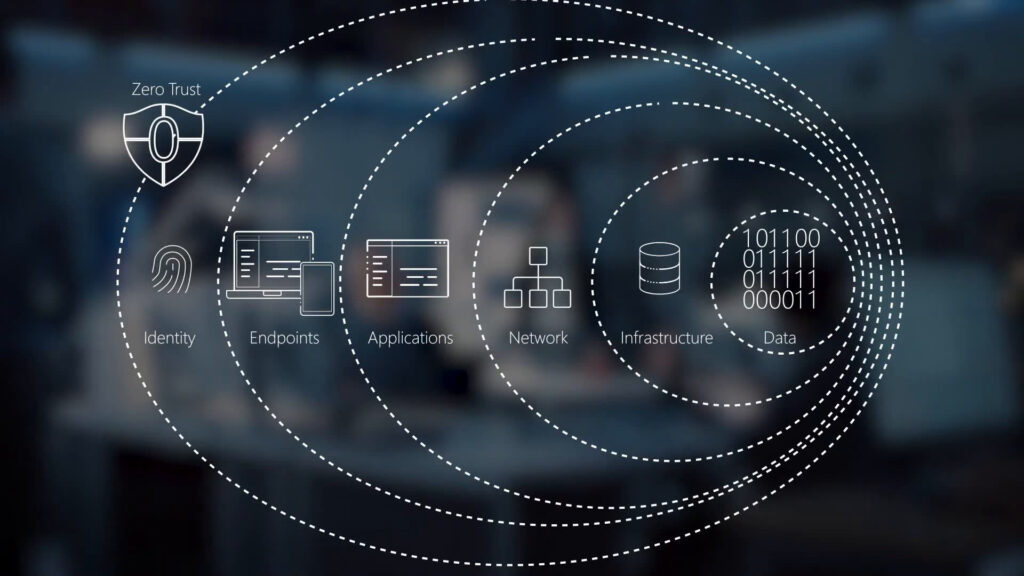
AI-powered cyberattacks and advanced multi-factor authentication methods are two sides of the same coin in the ongoing cybersecurity battle. As cybercriminals become more sophisticated, using AI to launch highly targeted and automated attacks, organizations and individuals must adopt stronger defenses like multi-factor authentication to stay protected.
By combining AI-powered defenses with multi-factor authentication, businesses and individuals can mitigate the risks posed by modern cyber threats. As the digital landscape continues to evolve, these advanced security strategies will play an increasingly vital role in protecting sensitive data and systems from ever-evolving cyberattacks.
Further Reading and Resources:
These strategies and tools will continue to evolve, but one thing remains clear—cybersecurity in the digital age requires constant vigilance and adaptation to keep up with the growing sophistication of cyberattacks.





Leave a Reply