
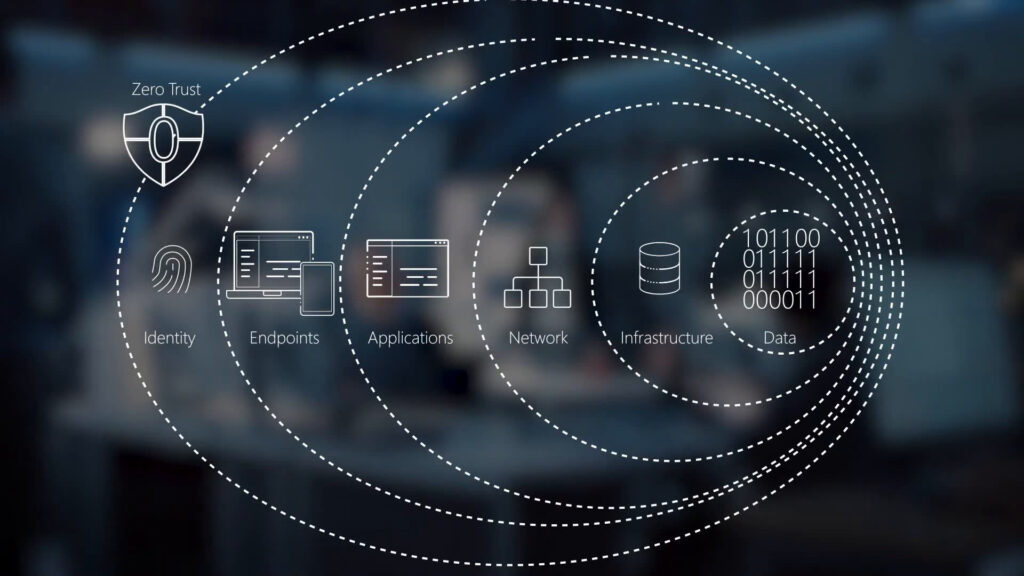
In a world where cyber threats are becoming more complex, organizations are turning to a powerful defense strategy called Zero Trust Security. Unlike traditional security models that trust users and devices inside a network by default, Zero Trust operates on a simple yet critical principle: Trust no one, verify everything.
What Is Zero Trust Security?
Zero Trust is a cybersecurity model that assumes that every user, device, and system is a potential threat—whether inside or outside the network. Instead of relying on firewalls and VPNs to secure the perimeter, Zero Trust ensures that no one gets in without being thoroughly verified at every step. It focuses on continuous verification, limiting access based on the least privilege principle, and always assuming that a potential breach could happen at any time.
Why Is Zero Trust Gaining Popularity?
Cyberattacks are becoming more advanced, and traditional security models struggle to keep up. Hackers no longer need to breach a company’s outer defenses; sometimes, they can gain access by exploiting vulnerabilities within a trusted network. This is where Zero Trust comes in.
Here are a few reasons why Zero Trust is gaining momentum:
- Remote Work: With more people working remotely, company data is accessed from home networks and personal devices. Zero Trust ensures that every device, even those outside the office, is authenticated and continuously monitored.
- Cloud Adoption: As businesses move more of their operations to the cloud, traditional network-based security is less effective. Zero Trust enables organizations to secure users and devices no matter where they connect.
- Sophisticated Threats: Cybercriminals are using techniques like phishing, ransomware, and social engineering to compromise credentials and infiltrate networks. Zero Trust helps by verifying users at every stage, making it harder for attackers to move through systems undetected.
Key Principles of Zero Trust
- Verify Everyone, Every Time: Whether you’re an employee, contractor, or partner, Zero Trust requires constant authentication. Users must verify their identity not just once, but every time they attempt to access a resource.
- Least Privilege Access: Users should only have access to the specific resources they need to do their job—and nothing more. This minimizes the risk of sensitive information falling into the wrong hands.
- Micro-Segmentation: In a Zero Trust environment, networks are divided into smaller, isolated sections. This way, even if an attacker breaches one part of the network, they can’t move freely to other areas.
- Continuous Monitoring: With Zero Trust, security doesn’t stop after the initial login. Systems are continuously monitored for any suspicious activity, such as unusual login patterns or access requests. If something looks off, it can trigger a security response immediately.
How Zero Trust Works in Practice
Let’s imagine an employee, Sarah, logging in from home to access her company’s cloud server. With Zero Trust in place:
- User Verification: Sarah is asked to provide her username, password, and a multi-factor authentication (MFA) code to confirm her identity.
- Device Check: The system also verifies that Sarah is using a known device, like her company-issued laptop. If she tries to log in from an unknown device, she may be prompted to go through additional checks or be denied access.
- Limited Access: Even though Sarah has logged in successfully, she only has access to the specific files and applications she needs for her role—nothing more.
- Continuous Monitoring: As Sarah works, the system continuously monitors her behavior. If she suddenly tries to access sensitive financial data, which is outside her usual scope, an alert will be triggered, and her access may be restricted.
Benefits of Zero Trust Security
- Enhanced Security: By constantly verifying every user and device, Zero Trust dramatically reduces the likelihood of a successful breach.
- Better Protection for Remote Work: As more employees access company systems from outside the office, Zero Trust ensures that they are just as secure as if they were on the company network.
- Reduced Insider Threats: Since Zero Trust limits access to only what’s needed, it reduces the risk of insider threats—whether intentional or accidental.
- Stronger Cloud Security: With Zero Trust, organizations can better protect cloud-based assets, even as employees access them from various locations.
Challenges and Adoption
While Zero Trust offers strong security, implementing it can be challenging for businesses, especially those with complex, outdated systems. Some of the common challenges include:
- Integration with Existing Infrastructure: Companies may need to upgrade or reconfigure their IT systems to support a Zero Trust model, which can be time-consuming and expensive.
- User Experience: While security is a priority, requiring users to verify their identity multiple times could lead to frustration. Striking a balance between security and user experience is essential for widespread adoption.
However, as cyber threats evolve, more organizations are recognizing the need for Zero Trust. Major companies, particularly those handling sensitive data or operating in regulated industries, are already moving toward Zero Trust frameworks.
Conclusion
In today’s digital landscape, cyber threats can come from anywhere—and once inside, they can wreak havoc. That’s why the Zero Trust model is quickly becoming the gold standard for cybersecurity. By verifying every user, every device, and every access request, organizations can build stronger defenses and protect their most valuable assets, no matter where their employees work or where their data is stored.
Further Reading and Resources:
Zero Trust isn’t just a trend, it’s a necessary shift in how we think about securing data in an increasingly connected world.







Leave a Reply