
Artificial Intelligence (AI) is no longer just a futuristic concept — it’s transforming industries today, especially when it comes to automation. From manufacturing floors and logistics centers to customer service departments, AI-driven automation is helping businesses increase efficiency, reduce costs, and create new opportunities for innovation.
Let’s explore how AI is reshaping these key industries and what that means for the future of work and productivity.
What is AI-Driven Automation?
Before we jump into the specific industries, it’s essential to define AI-driven automation. AI-driven automation involves using algorithms and machine learning to carry out repetitive or complex tasks with little to no human intervention. It’s more than just robots on assembly lines — AI can now analyze data, predict outcomes, and make real-time decisions, making automation smarter than ever before.
AI in Manufacturing: Smarter, Faster, and Safer
Manufacturing is where the benefits of AI in automation are most evident. For years, traditional automation has helped businesses scale production. But AI is pushing things even further by enhancing productivity, improving safety, and reducing downtime.
1. Predictive Maintenance
Manufacturing equipment needs regular maintenance to function efficiently. AI-powered predictive maintenance tools can analyze vast amounts of sensor data in real-time, predicting when a machine is likely to fail. This not only prevents costly breakdowns but also minimizes downtime and repair costs.
- Example: GE uses AI in its industrial operations to predict equipment failures before they happen, saving millions in repair and downtime costs.
2. Quality Control
In traditional manufacturing, quality control often relies on human inspectors. AI is changing that by using computer vision and machine learning to detect even the smallest defects in products. This ensures a higher level of consistency and reduces human error.
- Example: Siemens employs AI to analyze data from production lines and identify quality issues faster and more accurately than humans.
3. Robotics and Automation
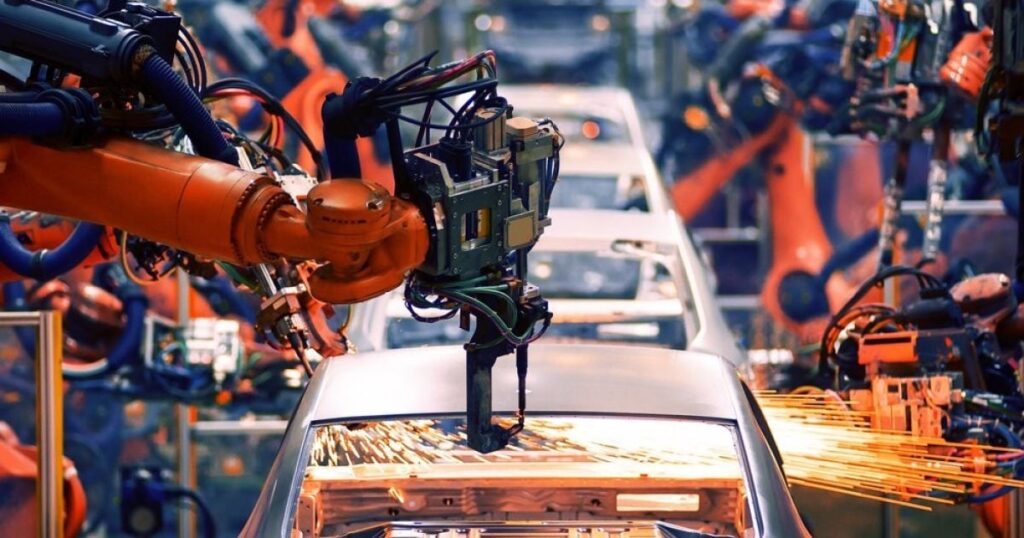
AI is also making industrial robots smarter. These robots can now perform more complex tasks with precision, from assembling intricate electronics to packaging delicate products.
AI in Logistics: Speeding Up Supply Chains
Logistics is all about speed and efficiency — two areas where AI-driven automation shines. The integration of AI is helping companies streamline their supply chains, optimize routes, and reduce delivery times.
1. Route Optimization
AI can analyze traffic patterns, weather conditions, and even historical data to determine the fastest and most efficient routes for deliveries. This not only speeds up the process but also helps companies save fuel and reduce emissions.
- Example: UPS uses an AI-powered tool called ORION that calculates the most efficient routes for its drivers, saving millions of miles driven and reducing fuel consumption.
2. Inventory Management
Inventory management has always been a challenge for logistics companies. Too much stock, and you’re wasting resources. Too little, and you risk not meeting demand. AI-powered systems can predict demand more accurately by analyzing sales data, market trends, and other factors, ensuring just the right amount of inventory is kept in stock.
- Example: Amazon uses AI in its warehouses to manage inventory, predict demand, and automate the restocking process, ensuring customers get their products faster.
3. Autonomous Vehicles and Drones
While we might not see fully autonomous trucks on the highways just yet, the logistics industry is already testing autonomous vehicles and drones for short-distance deliveries. AI helps these vehicles navigate, avoid obstacles, and ensure timely deliveries.
AI in Customer Service: A Better, Faster Experience
In the world of customer service, AI-powered automation is helping businesses improve response times, offer personalized solutions, and create a more seamless customer experience.
1. Chatbots and Virtual Assistants
AI-powered chatbots and virtual assistants are now handling a large chunk of customer queries. These systems can understand and respond to customer requests 24/7, providing instant support without the need for human agents.
- Example: Zendesk uses AI chatbots to automate customer service interactions, helping businesses reduce response times and improve customer satisfaction.
2. Personalization
AI can analyze a customer’s browsing history, previous purchases, and even their tone of voice to offer personalized product recommendations or solutions. This level of personalization not only improves the customer experience but also boosts sales.
- Example: Spotify uses AI to recommend personalized playlists based on users’ listening habits, enhancing customer engagement and loyalty.
3. Sentiment Analysis
AI-powered sentiment analysis tools can scan customer feedback, social media comments, and support tickets to gauge overall customer sentiment. This helps companies quickly identify issues and adjust their services accordingly.
- Example: HubSpot uses AI-driven sentiment analysis to provide insights into how customers feel about their products and services, allowing companies to respond proactively.
What Does the Future Hold for AI-Driven Automation?
The future of AI-driven automation looks incredibly promising. As AI technology continues to evolve, we can expect even more advanced automation across industries. From fully autonomous factories to logistics systems that anticipate global supply chain disruptions, the possibilities are endless.
A Few Exciting Future Trends:
- AI in Healthcare Automation: From diagnostics to patient care, AI is expected to automate routine tasks in healthcare, enabling professionals to focus on more complex cases.
- Smart Cities: AI will play a role in automating traffic control, energy management, and public services to create more efficient urban environments.
Conclusion: AI is the Future of Automation
Whether it’s on the production floor, in a warehouse, or behind a customer service desk, AI-driven automation is shaping the future of industries worldwide. As AI technology continues to develop, companies that embrace these innovations stand to benefit from increased efficiency, reduced costs, and improved customer satisfaction.
Is your business ready for the AI-driven automation revolution?
Further Resources:
- AI in Customer Service: Discover AI chatbots in action
- Introduction to AI in Automation: Watch this video
- AI in Logistics: Learn how it’s transforming the supply chain









Leave a Reply