
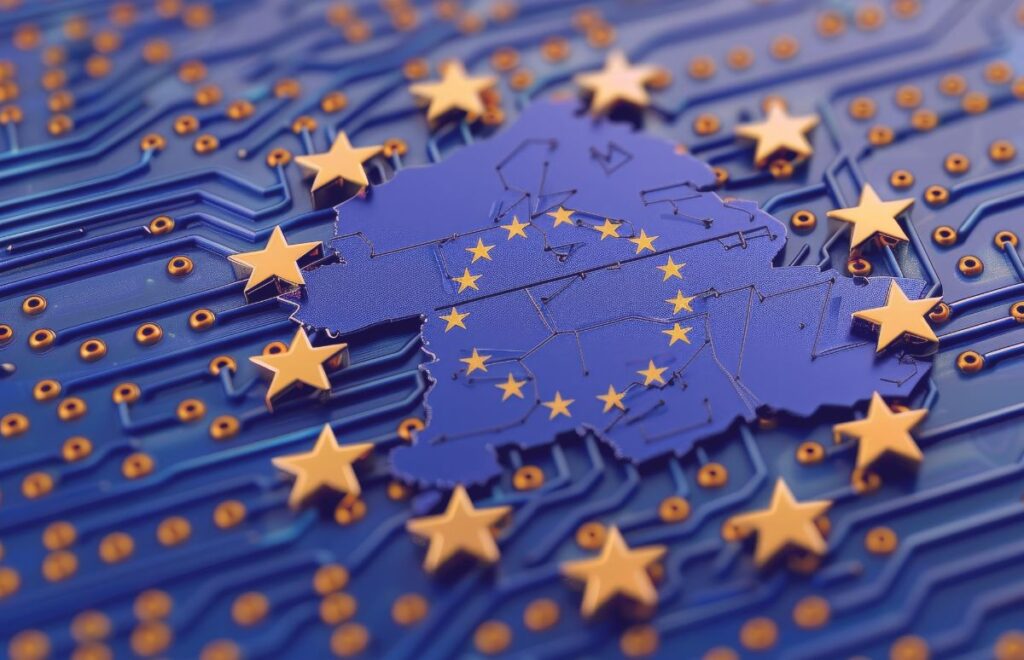
The European Union (EU) is taking a bold step to reshape the digital landscape with its Digital Markets Act (DMA). This legislation, passed in 2022, aims to curb the immense power of Big Tech giants like Google, Apple, Amazon, and Meta (formerly Facebook). These companies, often referred to as gatekeepers, have grown to dominate the online ecosystem, and the EU’s new rules are designed to level the playing field for smaller competitors and protect consumers.
In this blog post, we’d be looking at what the Digital Markets Act is, exploring the implications for Big Tech, and discuss how these regulations will affect not only the companies themselves but also their users and the broader tech industry.
What is the Digital Markets Act (DMA)?
The Digital Markets Act is a comprehensive set of regulations aimed at controlling the market power of Big Tech platforms that dominate digital services like search engines, app stores, and social media. The law targets companies that:
- Have a market capitalization of at least €75 billion or an annual turnover of at least €7.5 billion.
- Provide a core platform service used by more than 45 million users within the EU.
- Act as gatekeepers, meaning they control access to digital markets for consumers and businesses.
The DMA imposes strict rules to ensure fair competition, promote consumer choice, and prevent these gatekeepers from engaging in anti-competitive practices.
Key Provisions of the Digital Markets Act
The DMA sets forth several key obligations and restrictions that these large platforms must follow:
- Interoperability: Big Tech firms must make their messaging services interoperable with other platforms. For example, users of WhatsApp (owned by Meta) should be able to communicate with users on other platforms like Signal or Telegram without barriers.
- App Store Rules: Companies like Apple and Google, which control the dominant app stores (Apple’s App Store and Google Play), are required to allow third-party app stores and alternative payment systems. This breaks their monopoly over app distribution and in-app payments.
- Data Sharing: Gatekeepers must share data they collect from businesses on their platforms if requested, giving smaller competitors access to the same data-driven insights that tech giants use to dominate markets.
- No Self-Preferencing: Platforms like Google Search and Amazon can no longer prioritize their own services over those of competitors. For instance, Amazon cannot give its private-label products better visibility than third-party sellers on its marketplace.
- Advertising Fairness: Companies like Meta and Google, which dominate online advertising, must provide greater transparency about their ad services, including how ads are targeted and the data collected from users.
- No Bundling Services: Gatekeepers are prohibited from bundling their services in ways that lock users into their ecosystem. For instance, Microsoft cannot force users to sign up for Teams when they purchase Microsoft Office software.
Impact on Big Tech: Google, Apple, and Amazon
The DMA represents a significant shift in how Big Tech companies will operate within the EU, and its impact could have far-reaching consequences for the rest of the world. Here’s how the DMA affects major players:
1. Google: More Competition in Search and Advertising
Google has long been a dominant force in online search and digital advertising. The DMA’s ban on self-preferencing could significantly affect Google’s business model. Currently, Google promotes its own services, such as Google Shopping or Google Maps, at the top of search results, which critics argue stifles competition. The DMA forces Google to treat competing services fairly, allowing smaller companies a better chance to reach consumers.
- Example: A European travel website could potentially receive the same level of visibility as Google’s own travel search engine, which could drive more traffic to smaller players.
In addition, the DMA’s provisions on advertising transparency mean that Google will need to provide more data on how ads are targeted, giving advertisers more control and reducing the reliance on Google’s monopoly in the ad tech space.
2. Apple: A Major Shift in App Store Practices
The DMA’s requirements for third-party app stores and alternative payment methods pose a direct challenge to Apple’s App Store business model. Currently, Apple controls the only way to download apps on iPhones and iPads and charges a commission of up to 30% on in-app purchases. The DMA forces Apple to open its devices to third-party app stores, allowing developers to bypass the App Store altogether and potentially offer lower prices by using alternative payment systems.
- Example: Epic Games, the developer of the popular game Fortnite, has long criticized Apple’s control over app distribution and payments. Under the DMA, companies like Epic could offer Fortnite through their own app store, avoiding Apple’s fees.
For Apple, which generates billions in revenue from its App Store, this could result in significant financial losses. More importantly, it shifts the balance of power in favor of developers, potentially fostering greater innovation.
3. Amazon: Leveling the Marketplace Playing Field
Amazon is the go-to platform for millions of shoppers in the EU, but the company has faced criticism for self-preferencing its own products over those of third-party sellers. The DMA’s rule against self-preferencing aims to prevent Amazon from giving its private-label products, such as AmazonBasics, better search rankings or promotional treatment than competitors.
- Example: If a small European electronics brand sells products on Amazon, the DMA ensures their products have the same opportunity for visibility as Amazon’s in-house brands.
This could lead to a more competitive environment, making it easier for smaller retailers to thrive on Amazon’s platform without fearing unfair competition from Amazon itself.
The Broader Impact: Consumers and Innovation
While the DMA primarily targets the big gatekeepers, the ripple effects will be felt by consumers, developers, and smaller companies across the EU and beyond.
1. Consumer Benefits
The DMA is designed to offer consumers more choice and control over the services they use. For example, with interoperable messaging platforms, users won’t have to stick to one service because their friends or colleagues use it. They’ll be able to choose the messaging app that best suits their needs while still being able to communicate with users on other platforms.
Additionally, more transparent advertising practices will allow consumers to better understand how their data is used and how ads are targeted, increasing trust in the digital ecosystem.
2. Encouraging Innovation
By breaking the stranglehold of Big Tech companies, the DMA opens the door for more competition and innovation. Startups and smaller companies will no longer be locked out of markets dominated by gatekeepers, and developers will have more freedom to create and distribute apps without being constrained by platform rules.
This could lead to a surge in new services and apps as developers explore previously inaccessible markets and consumers enjoy more diverse choices in digital services.
Challenges and Criticism of the DMA
While the DMA has been welcomed by many as a necessary move to rein in Big Tech, there are some challenges and criticisms:
- Enforcement: Critics argue that enforcing the DMA could be difficult, as Big Tech companies have vast resources to contest regulatory decisions in court. There are concerns about how effectively the EU will be able to police these massive platforms.
- Innovation Stifling: Some tech companies argue that the DMA could actually stifle innovation by imposing heavy-handed regulations. They claim that limiting their control over platforms could reduce their ability to offer seamless experiences and develop new services.
- Global Implications: The DMA’s impact could extend beyond the EU, influencing global regulatory standards. For instance, if Apple changes its App Store policies in Europe, it may be forced to apply those changes globally to maintain consistency, potentially affecting users in other regions.
Conclusion: The DMA’s Role in Shaping the Future of Tech
The EU Digital Markets Act is a groundbreaking piece of legislation that aims to curb the power of Big Tech companies like Google, Apple, and Amazon. By targeting their gatekeeper status and enforcing fairer competition, the DMA has the potential to transform the digital economy.
For consumers, it promises more choice, greater transparency, and better protection. For smaller businesses and developers, it opens the door to innovation and competition, leveling the playing field in ways that were previously unthinkable.
However, the success of the DMA will depend on its effective enforcement and the ability to balance regulation with innovation. The impact of these rules will not only reshape the tech landscape in Europe but could also set a new global standard for how Big Tech operates.
Further Reading:
- How the DMA could shape the future of app stores.
- Learn more about the EU Digital Markets Act and its goals.
- The impact of DMA on the global tech industry.








Leave a Reply