
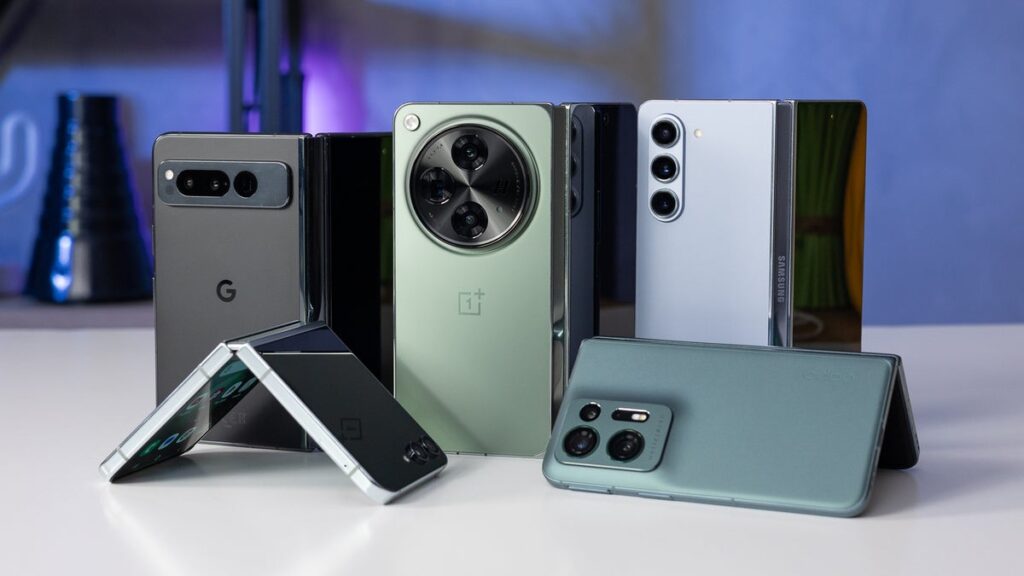
The world of smartphones is evolving rapidly, and one of the most exciting developments in recent years is the rise of foldable phones. These innovative devices are pushing the boundaries of what’s possible in mobile technology, offering users flexibility and new ways to interact with their devices. From compact designs that unfold into larger screens to multitasking features, foldable technology is set to change the smartphone landscape dramatically.
In this blog post, we’ll explore how foldable phones have evolved, the challenges they face, and why they might represent the future of smartphones.
The Evolution of Foldable Phones.
Foldable phones have come a long way since their inception. The concept of foldable technology dates back to the flip phones of the early 2000s, but modern foldable phones are far more advanced. The first true foldable smartphone, the Royole FlexPai, was unveiled in 2018, but it was the Samsung Galaxy Fold, released in 2019, that truly brought foldable technology into the mainstream.
Key Milestones in Foldable Phone Evolution:
- Samsung Galaxy Fold (2019): The first major foldable phone that brought attention to the concept. Though the launch faced issues with the screen durability, it laid the groundwork for the foldable trend. Samsung Galaxy Fold Review
- Huawei Mate X (2019): Released soon after the Galaxy Fold, the Mate X featured an outward-folding design and set new standards for innovation, though it was limited in availability.
- Motorola Razr (2020): Reviving the classic Razr design, Motorola introduced a vertical foldable that brought nostalgia back with modern foldable technology. Motorola Razr Foldable Review
- Samsung Galaxy Z Fold 2 (2020): Samsung corrected many of the first-generation foldable’s issues and delivered a more robust, user-friendly experience. The Z Fold 2 set new benchmarks for usability and design.
- Samsung Galaxy Z Flip (2020): The Z Flip brought foldable technology to a smaller, clamshell design, appealing to users who prefer a compact smartphone that can still unfold to provide a large screen.
- Oppo Find N (2021) and Xiaomi Mix Fold (2021): These foldables showed that other manufacturers were catching up, bringing competition to the foldable market.
How Foldable Technology Works
At the heart of foldable phones is flexible display technology, which uses thin, bendable OLED panels. These displays are typically made from a combination of plastic and glass, allowing them to bend without breaking.
In addition to the flexible displays, foldable phones rely on complex hinge mechanisms that allow the device to fold and unfold smoothly while maintaining durability.
Two Main Types of Foldable Phones:
- Inward-Folding Devices (Book Style):
- These phones fold like a book, with the display inside.
- Examples: Samsung Galaxy Z Fold series, Xiaomi Mix Fold.
2. Outward-Folding Devices:
- These fold with the display on the outside.
- Example: Huawei Mate X.
These fold with the display on the outside.
Challenges in Foldable Technology
While foldable phones are groundbreaking, they aren’t without challenges. Some of the major issues foldable technology has faced include:
- Durability: Early foldable phones, like the original Galaxy Fold, experienced screen malfunctions, particularly at the folding seam. Manufacturers have since improved this with Ultra-Thin Glass (UTG) and more robust hinges, but durability remains a concern for many consumers.
- Cost: Foldable phones are expensive, often priced significantly higher than traditional smartphones. This is due to the complex design and cutting-edge technology involved in producing them.
- Battery Life: With larger screens and more power-hungry components, foldable phones require larger batteries, which can sometimes be challenging due to the thin design of the devices.
- App Optimization: Many apps are not yet fully optimized for foldable displays, meaning users may experience glitches or awkward layouts when switching between folded and unfolded modes. However, companies like Google are working to optimize Android for foldable devices. Google’s Efforts on Foldable Phone Optimization
Why Foldable Phones Are the Future of Smartphones.
Despite the challenges, foldable phones are poised to play a major role in the future of smartphones. Here’s why:
- More Screen, Less Bulk: One of the primary benefits of foldable phones is the ability to offer a larger screen without increasing the size of the device. A compact phone that unfolds into a tablet is an appealing solution for those who want a portable device with a large display for tasks like gaming, watching videos, or multitasking.
- Multitasking Capabilities: Foldable phones allow for enhanced multitasking. With more screen real estate, users can run multiple apps side by side, a feature that’s especially useful for productivity and business users. Devices like the Samsung Galaxy Z Fold allow users to open up to three apps simultaneously.
- Versatility: Foldable phones are versatile. Devices like the Samsung Galaxy Z Flip and Motorola Razr provide a balance between portability and functionality. When closed, they are small and pocket-friendly, but when opened, they offer a full-screen smartphone experience.
- Innovation and Competition: As more manufacturers enter the foldable market, competition is driving rapid innovation. Companies like Google and Apple are rumored to be developing foldable devices, which could bring even more improvements and advancements to the industry. Rumors About Apple’s Foldable iPhone
- Sustainability and Longevity: Foldable devices could also contribute to more sustainable tech. By combining the functionality of a smartphone and a tablet into one device, consumers may reduce the need to purchase multiple gadgets. This reduces electronic waste, making foldables a potentially greener option
What’s Next for Foldable Phones?
Foldable technology is still in its early stages, but the future looks promising. As durability improves, prices drop, and more apps become optimized for foldable screens, we can expect these devices to become more mainstream. Additionally, future innovations like rollable displays and even tri-fold devices could further expand the possibilities of foldable smartphones.
In the coming years, foldable phones could redefine how we interact with our devices, merging the worlds of phones and tablets into a single, cohesive product.
Conclusion
Foldable phones represent a significant leap forward in smartphone technology. While they may still face some challenges in terms of cost and durability, their versatility, multitasking potential, and innovative design make them an exciting glimpse into the future of smartphones. As more manufacturers get involved and the technology continues to mature, it’s only a matter of time before foldable phones become the standard in mobile tech.
Would you invest in a foldable phone, or are you waiting for the technology to develop further? Let us know in the comments below!









Leave a Reply